
Blog
Blog
Kashmiri Kesar, often referred to as the world’s most expensive spice, is derived from the flower Crocus sativus, commonly known as the saffron crocus. The delicate strands of saffron are hand-harvested, making this spice not only rare but also a testament to traditional agricultural practices. The unique climate and soil of Kashmir contribute to the distinct flavor and color that Kashmiri Kesar is known for.
Understanding Kashmiri Kesar: The Golden Spice
The process of cultivating Kashmiri Kesar is intricate and labor-intensive. Farmers must carefully plant the corms in well-drained soil during late summer, ensuring they have enough sunlight and moisture. As the flowers bloom in autumn, the harvesting begins at dawn, when the flowers are still closed, to preserve their quality. This meticulous method is what sets Kashmiri Kesar apart from saffron produced in other regions.
In addition to its culinary uses, Kashmiri Kesar has a rich history in traditional medicine. It has been used for centuries in Ayurvedic practices to treat various ailments, ranging from digestive issues to skin conditions. The antioxidant properties of Kesar are linked to improved health, promoting overall well-being. Furthermore, its potential benefits in enhancing mood and reducing stress have made it a popular choice in herbal remedies.
For those looking to incorporate Kashmiri Kesar into their diet, there are numerous ways to do so. It can be infused in warm milk, creating a soothing drink often enjoyed before bedtime. Additionally, a pinch of Kesar can elevate dishes such as biryani, biriyani, and various desserts, imparting a luxurious flavor and vibrant hue.
When purchasing Kashmiri Kesar, it’s essential to ensure you are getting authentic strands. Look for deep red color and a strong aroma, which are indicators of high-quality saffron. Authentic Kashmiri Kesar is often sold in small quantities, as its potency means a little goes a long way in cooking and baking.
As the demand for Kashmiri Kesar continues to grow globally, it’s vital to support sustainable farming practices. Many local farmers are now engaging in organic farming to preserve the unique qualities of Kashmiri Kesar while promoting environmental health. This not only ensures the longevity of saffron cultivation in Kashmir but also helps maintain the economic stability of local communities.
In conclusion, Kashmiri Kesar is not just a spice; it is a cultural emblem of Kashmir’s rich heritage. Its unique flavor, medicinal properties, and the labor-intensive process of harvesting make it a treasure worth celebrating. Whether you are adding it to your cooking or using it for its health benefits, Kashmiri Kesar is a true gem in the culinary world.

Honey and Children’s Health: What Parents Should Know
Honey is a natural superfood loved by children and adults alike for its sweetness and health benefits. However, when it…
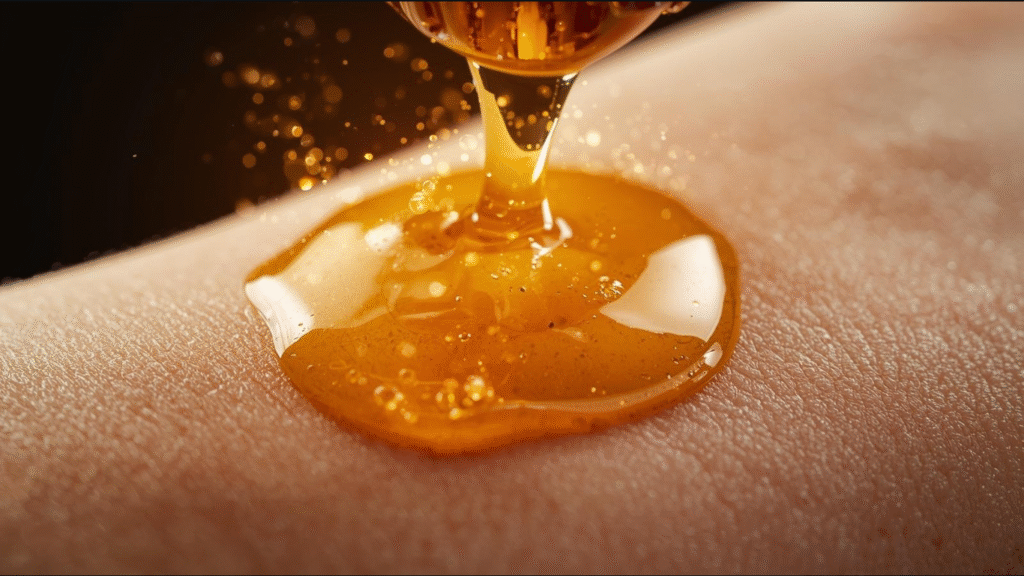
The Science Behind Honey’s Antibacterial and Antiviral Properties
Honey is not just a natural sweetener; it is a powerful medicinal substance that has been used for centuries to…
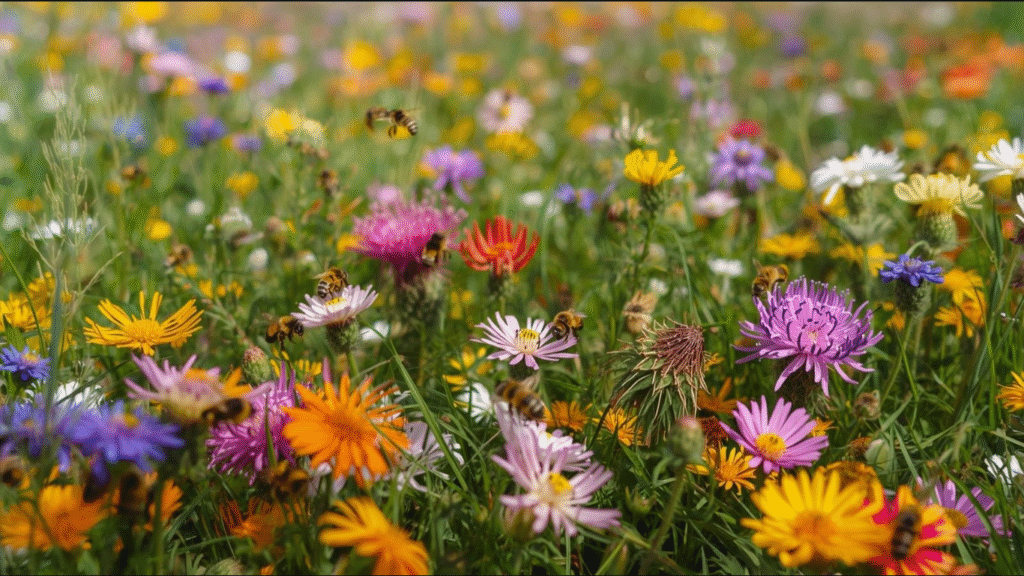
Environmental Impact: How Sustainable Beekeeping Saves Kashmir’s Ecosystems
Sustainable beekeeping is more than just producing pure honey – it’s an essential practice for preserving Kashmir’s delicate ecosystems and…

Honey for Skin and Hair: Natural Beauty Secrets From Kashmir
Honey has long been cherished as a natural beauty ingredient, and Kashmiri honey elevates this tradition with its unmatched purity, richness, and…
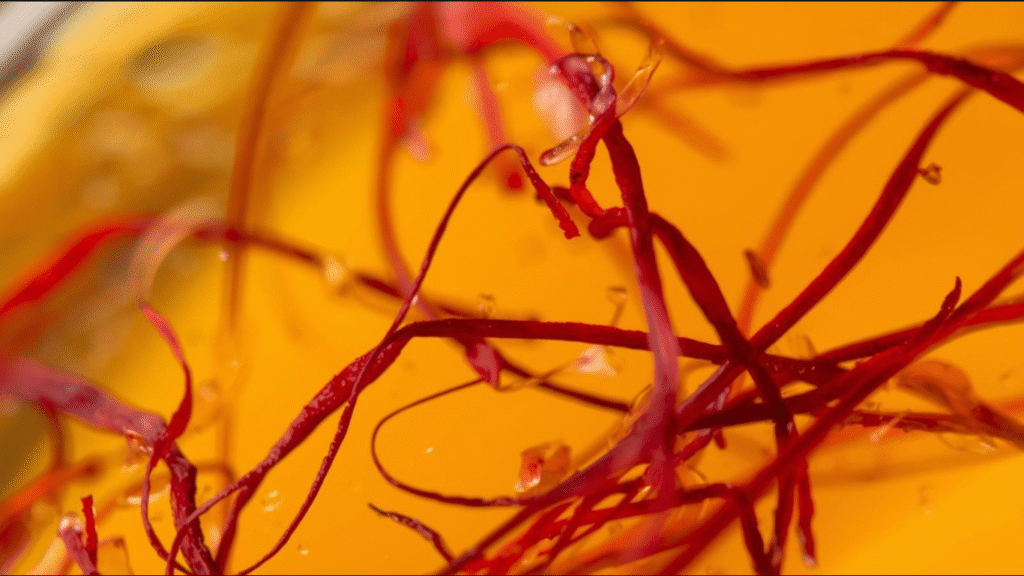
Saffron Honey: The Royal Delight of Kashmir
Among the many treasures Kashmir offers, saffron and honey reign supreme in the world of premium natural products. Saffron honey is a…

Honey and Weight Management: Friend or Foe?
Honey has long been hailed for its natural sweetness and health benefits, but how does it fare when it comes…